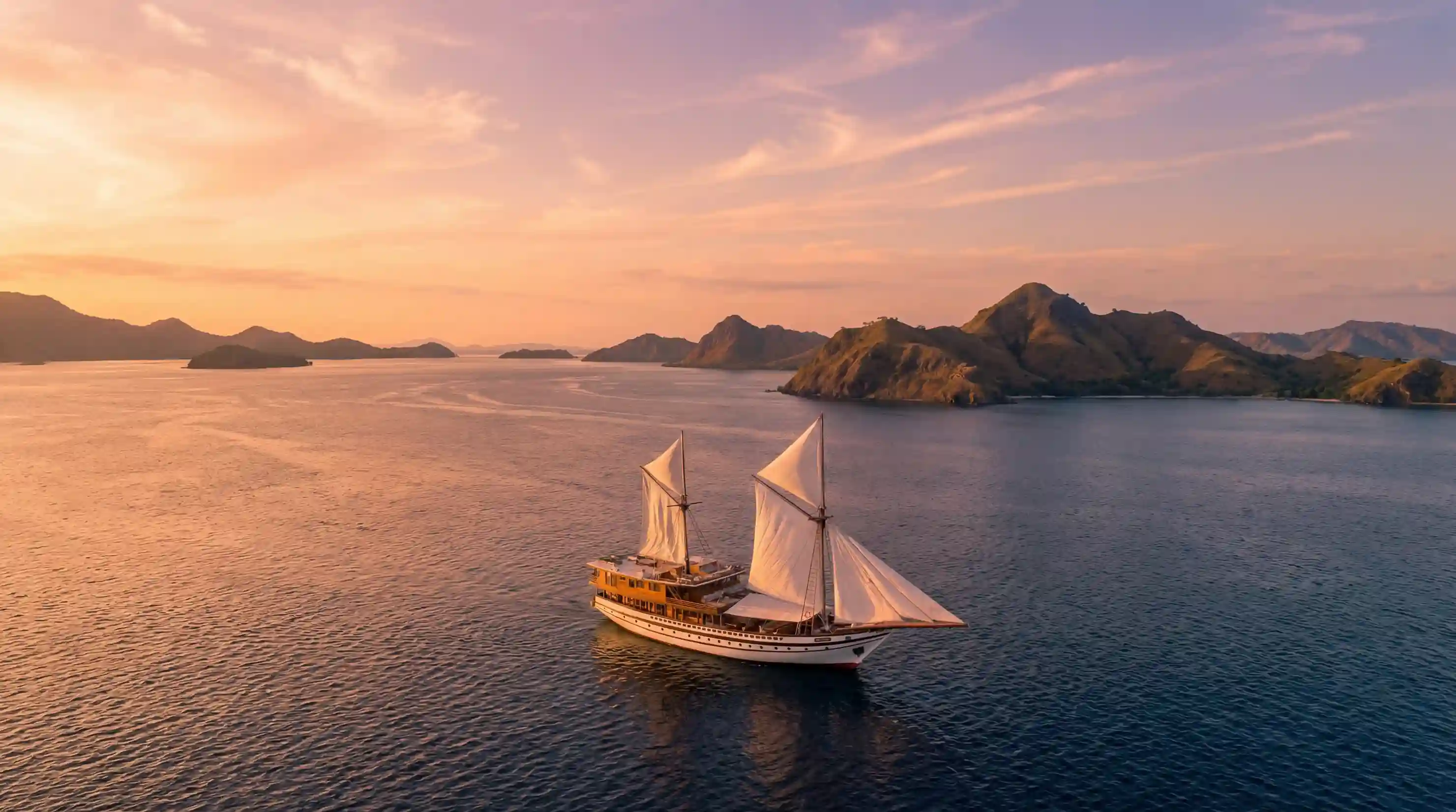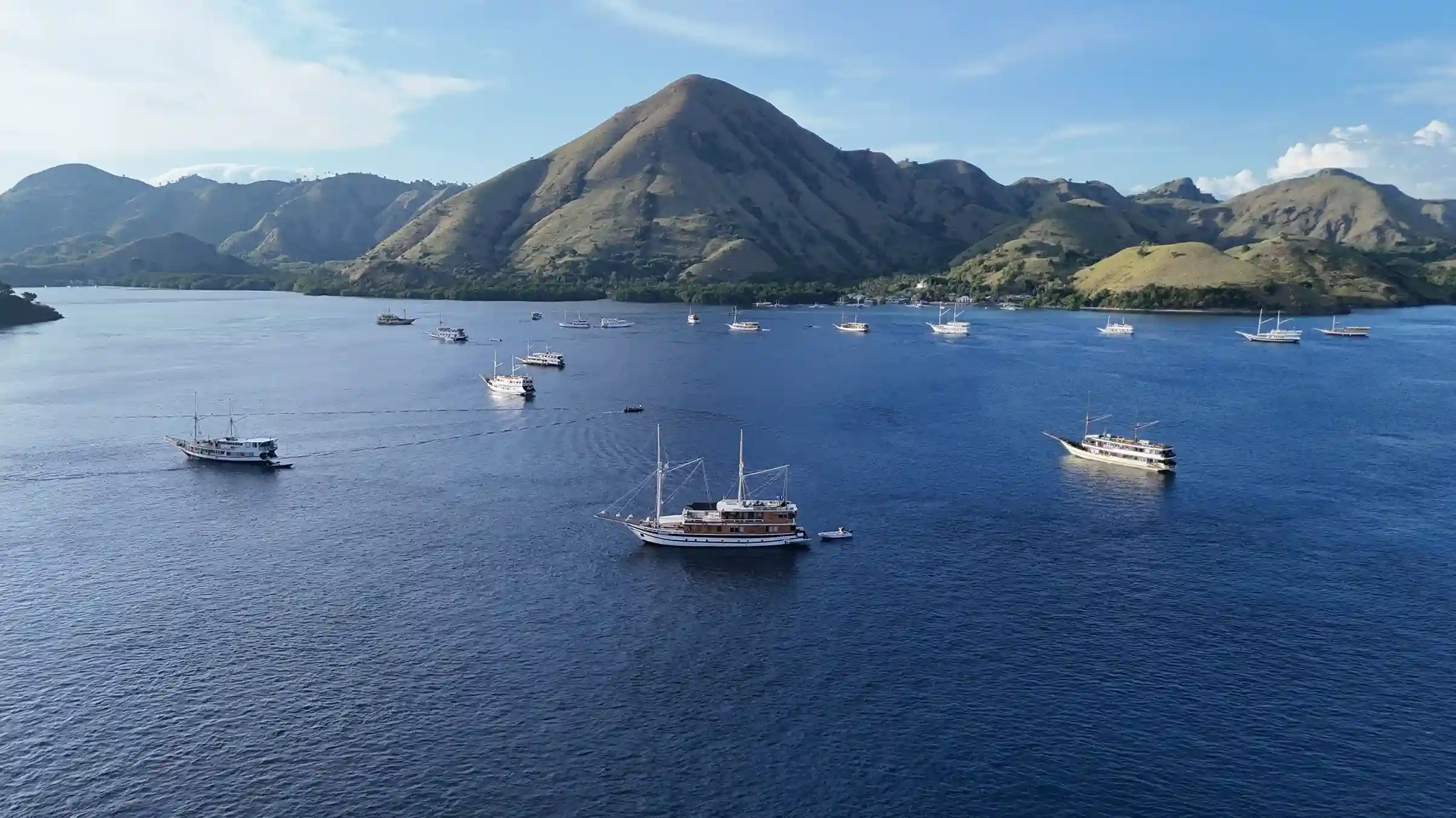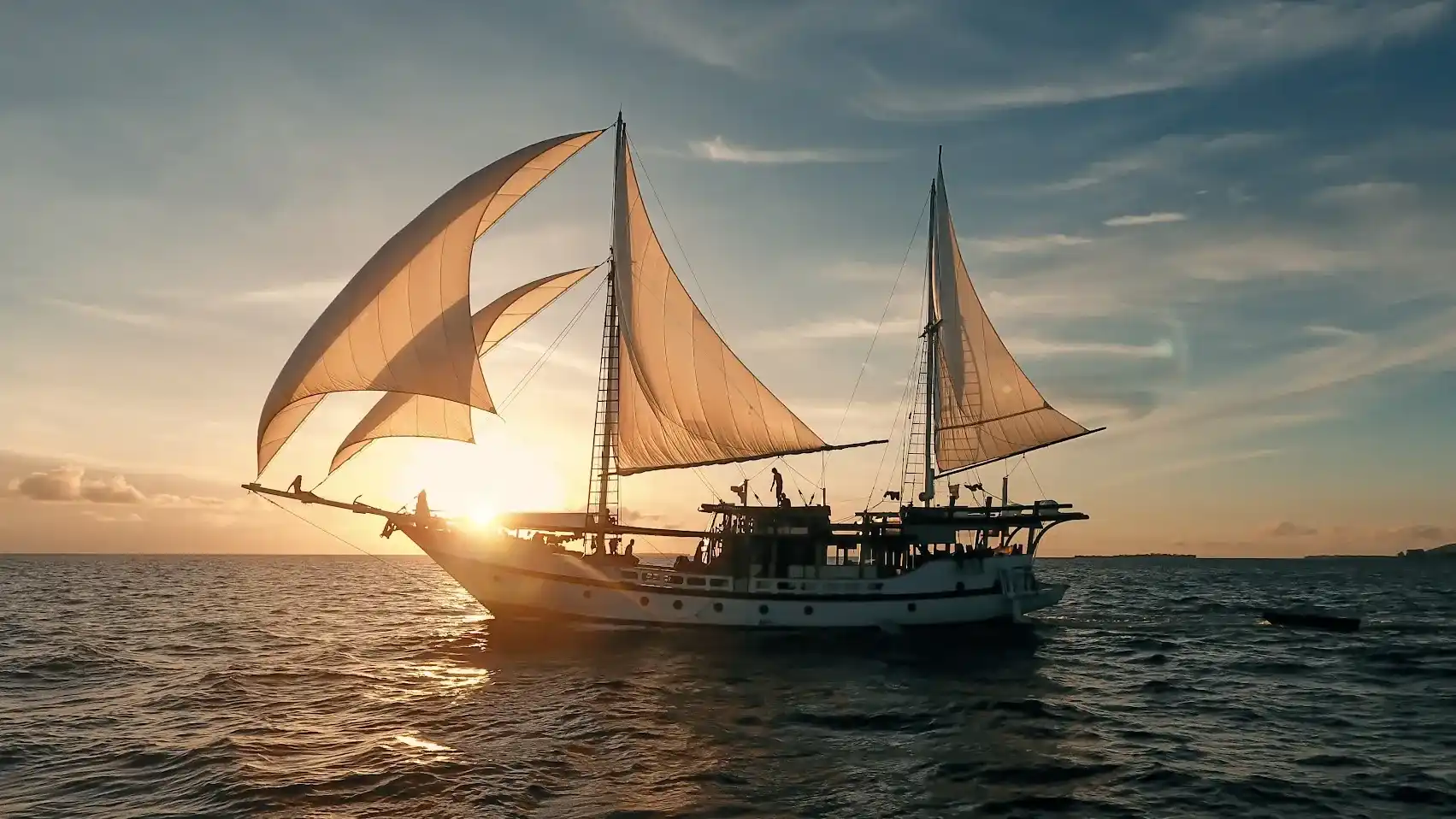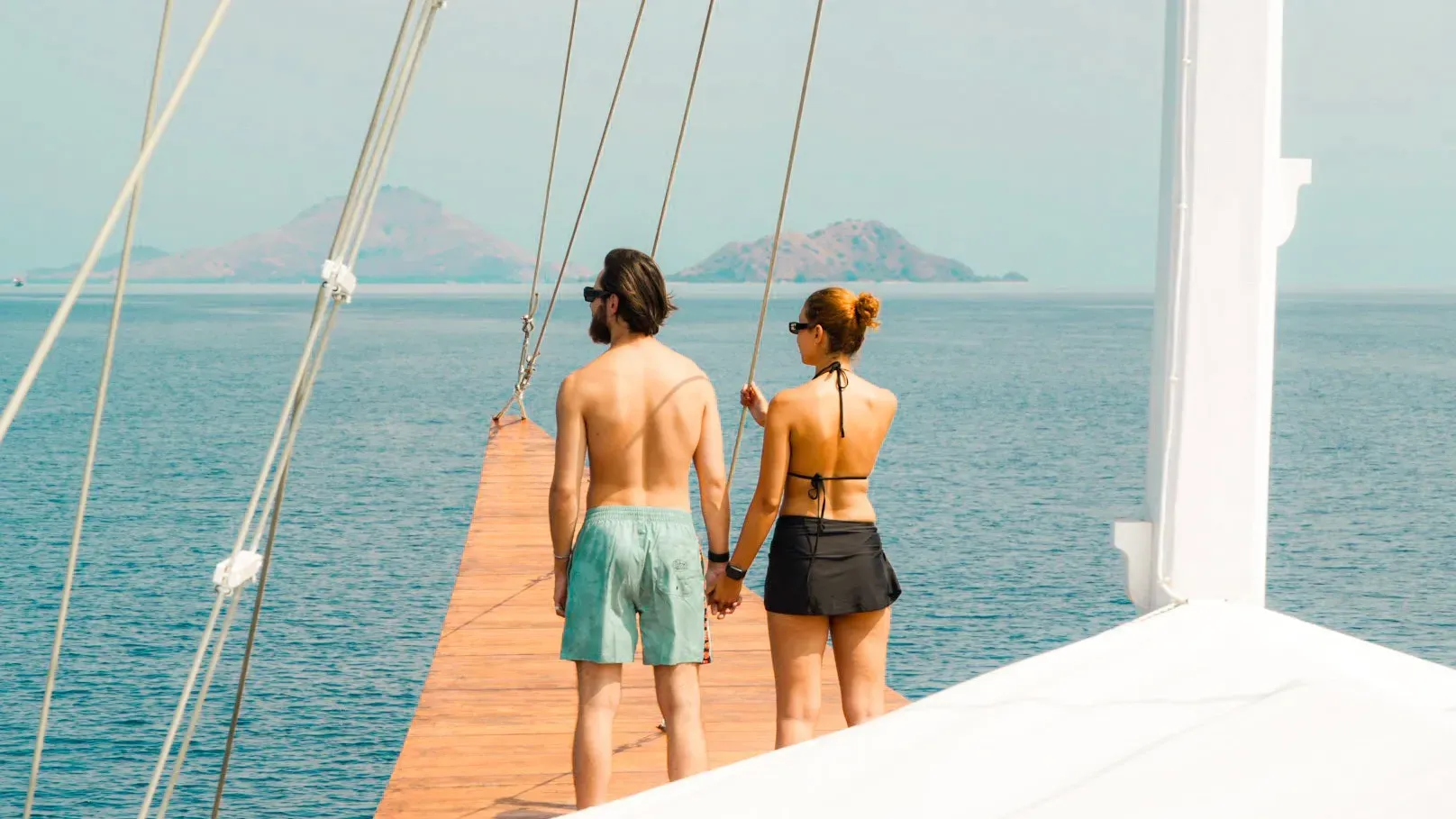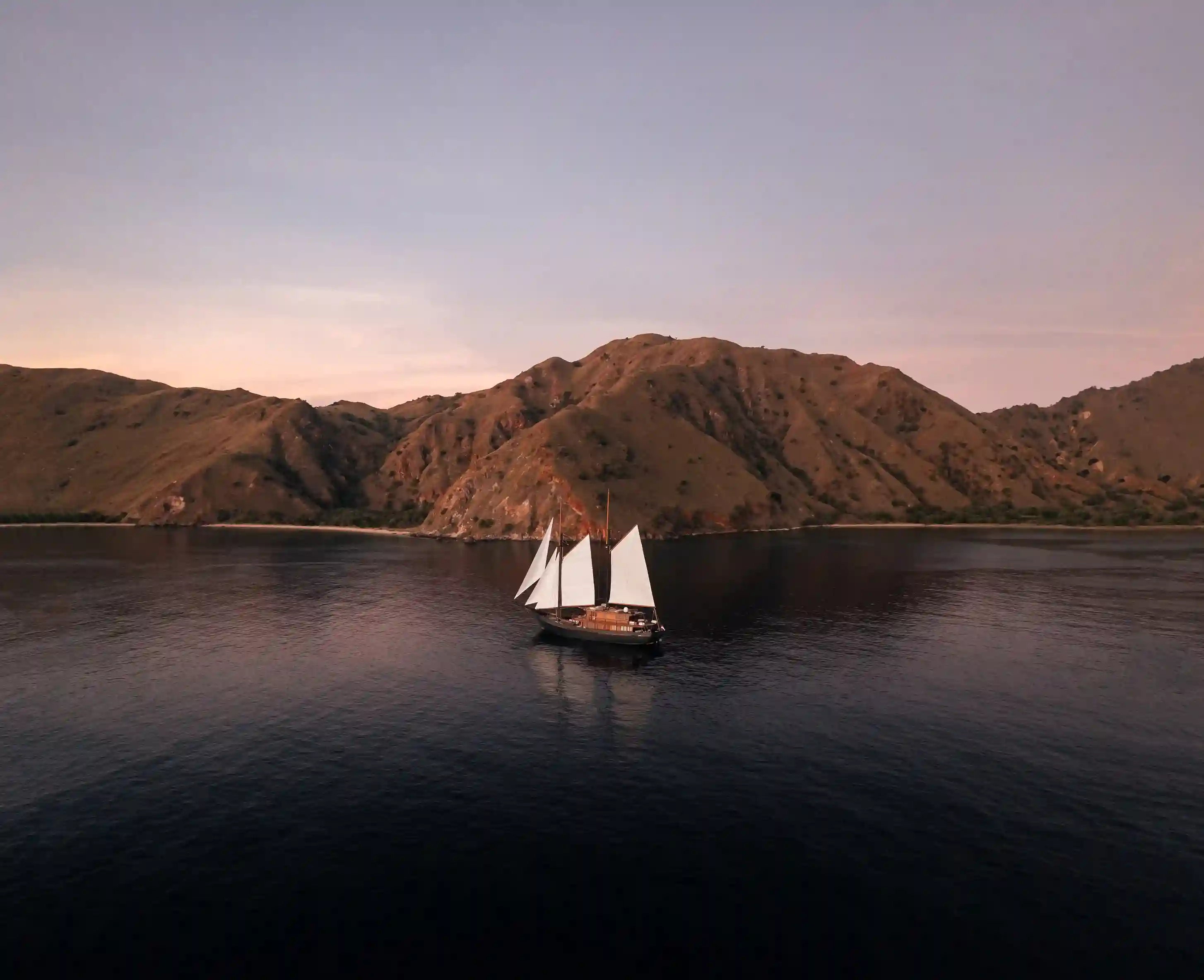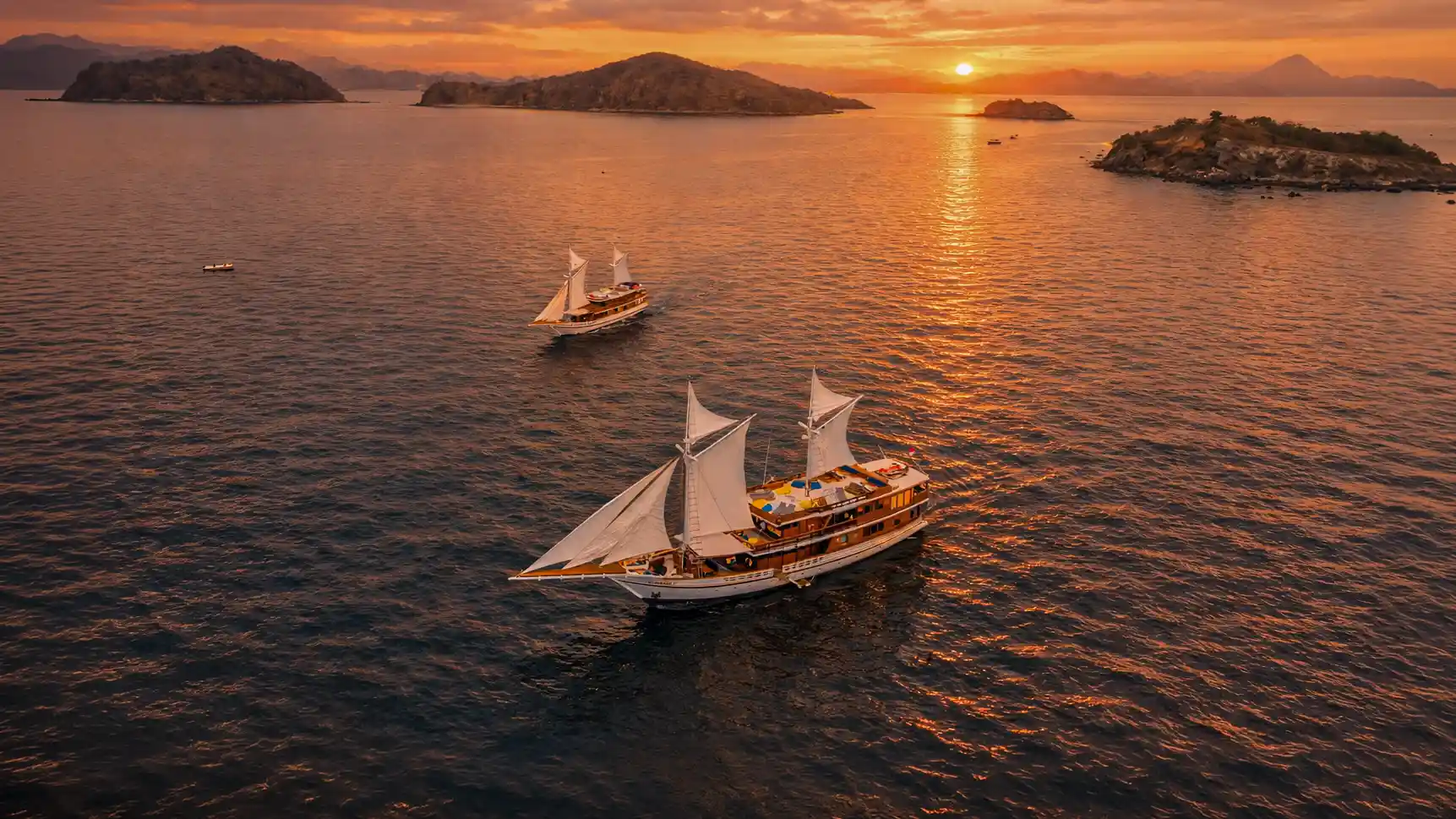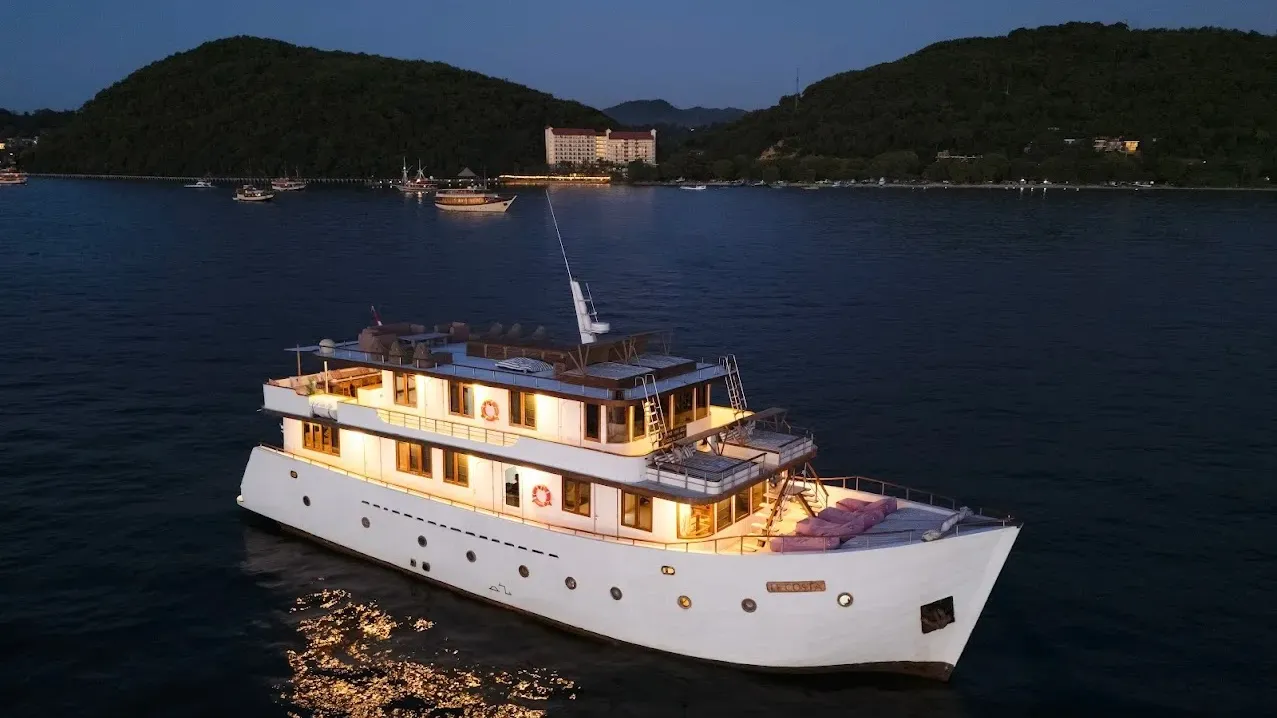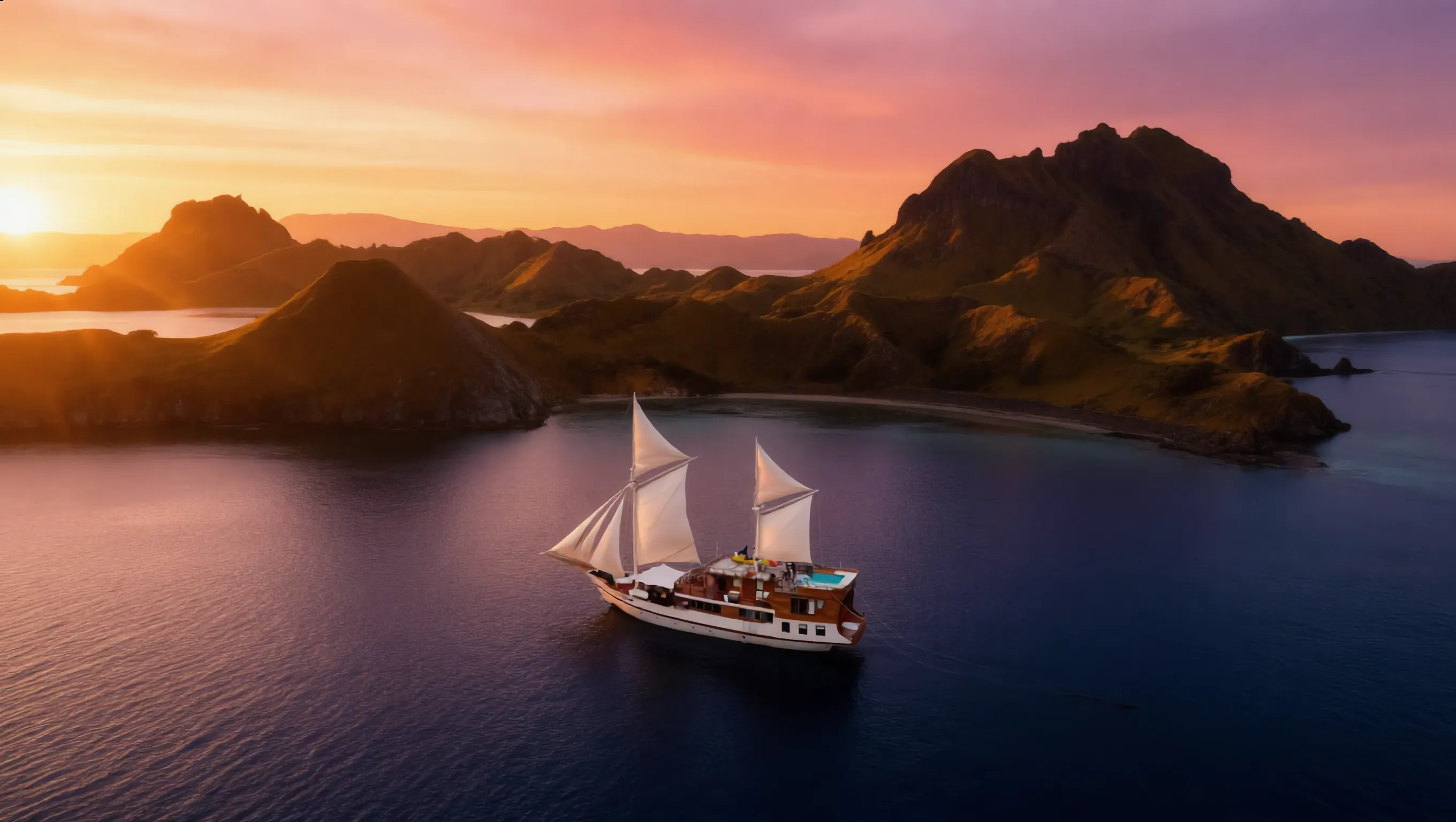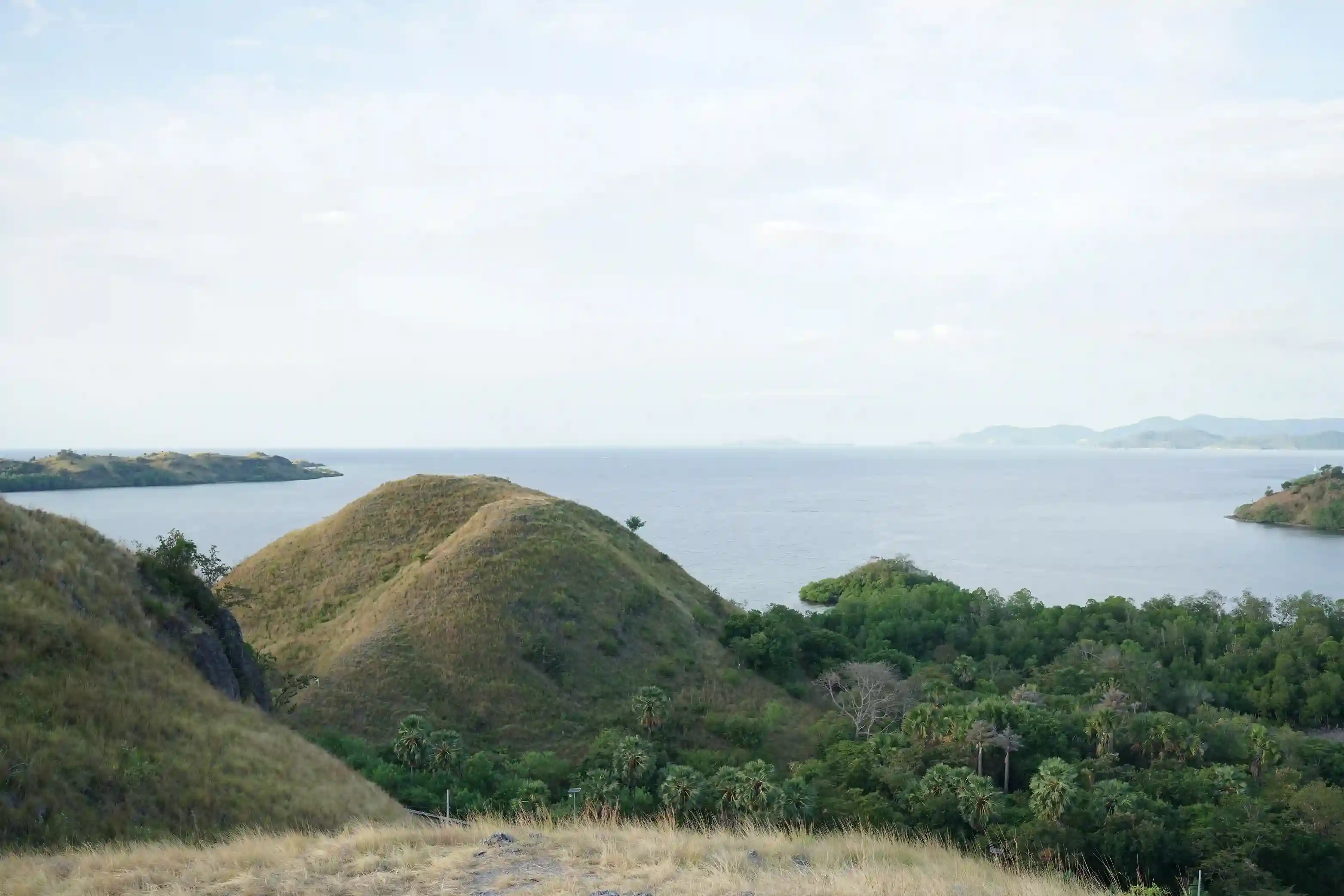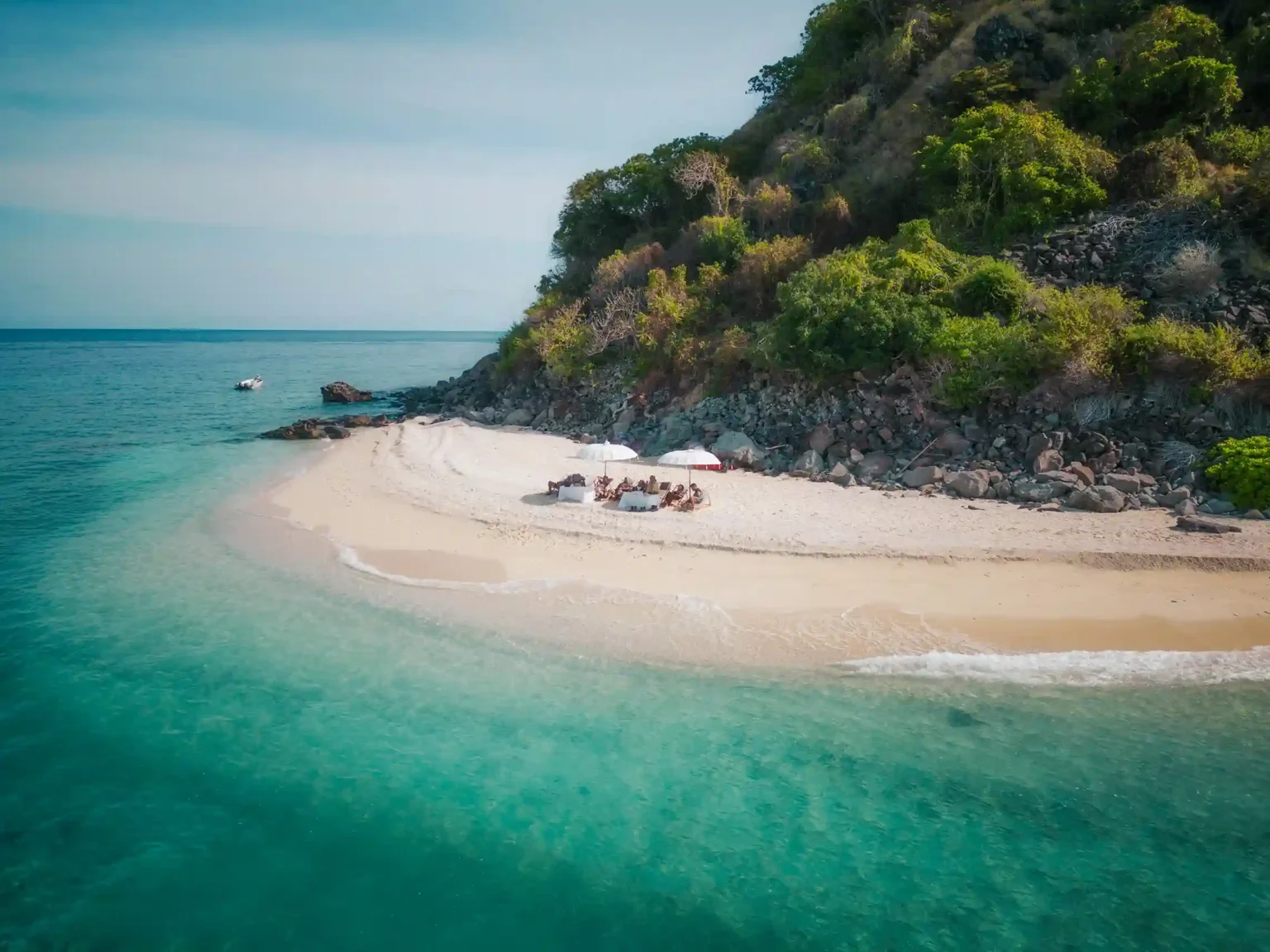
The morning light over the Flores Sea illuminates the deck of a private yacht, a gentle breeze carrying the scent of salt and distant frangipani. Below, the water shifts from deep sapphire to emerald, revealing coral gardens beneath the surface. This is the prelude to Flores, an island of significant geological and biological wonder, where ancient volcanoes meet vibrant marine ecosystems and distinct cultural traditions persist. The journey across this Indonesian expanse is not merely travel; it is an engagement with a landscape defined by its raw power and subtle beauty, requiring a considered approach to truly appreciate its depth.
The Komodo Archipelago: Private Charters and Primal Encounters
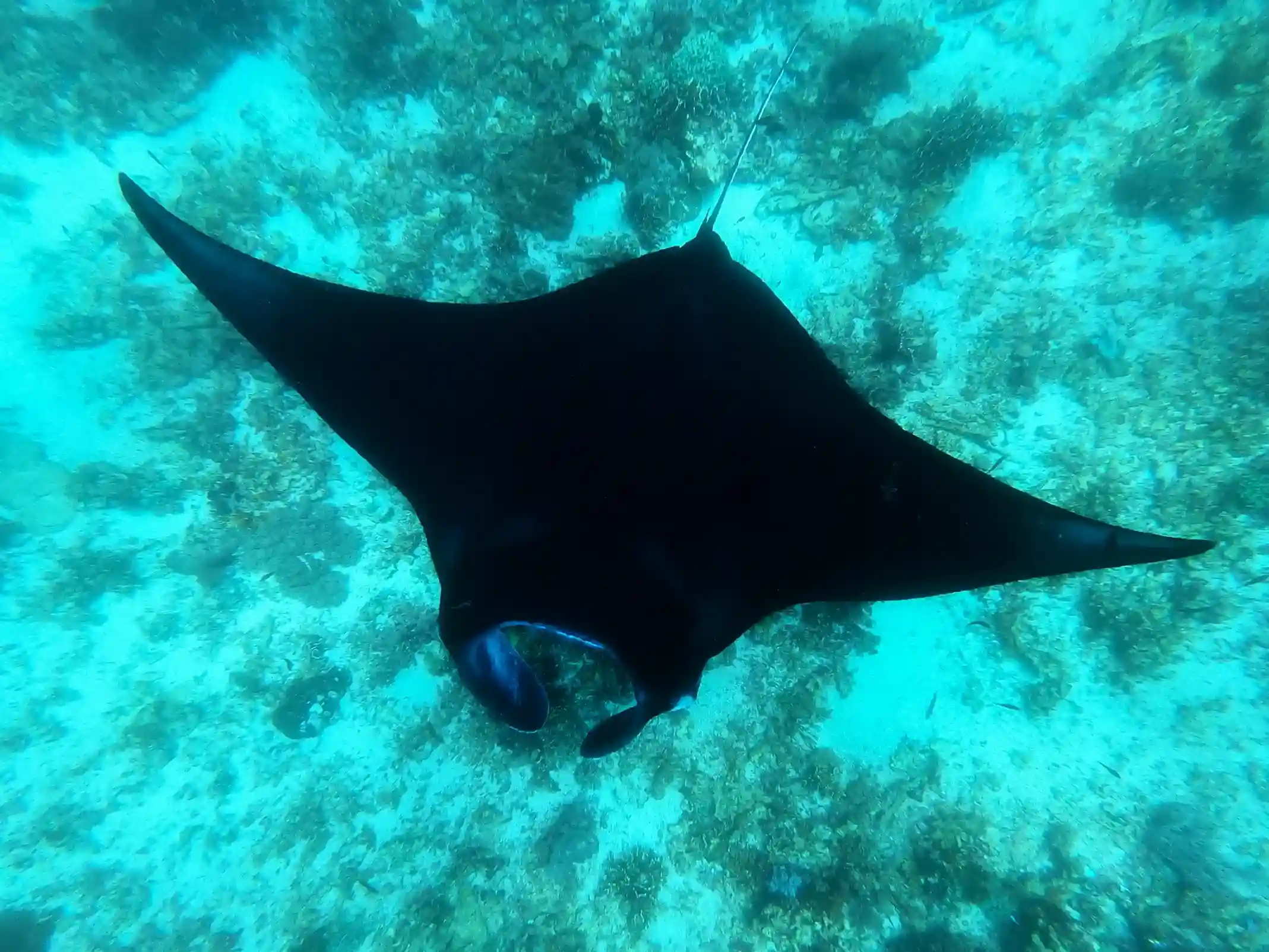
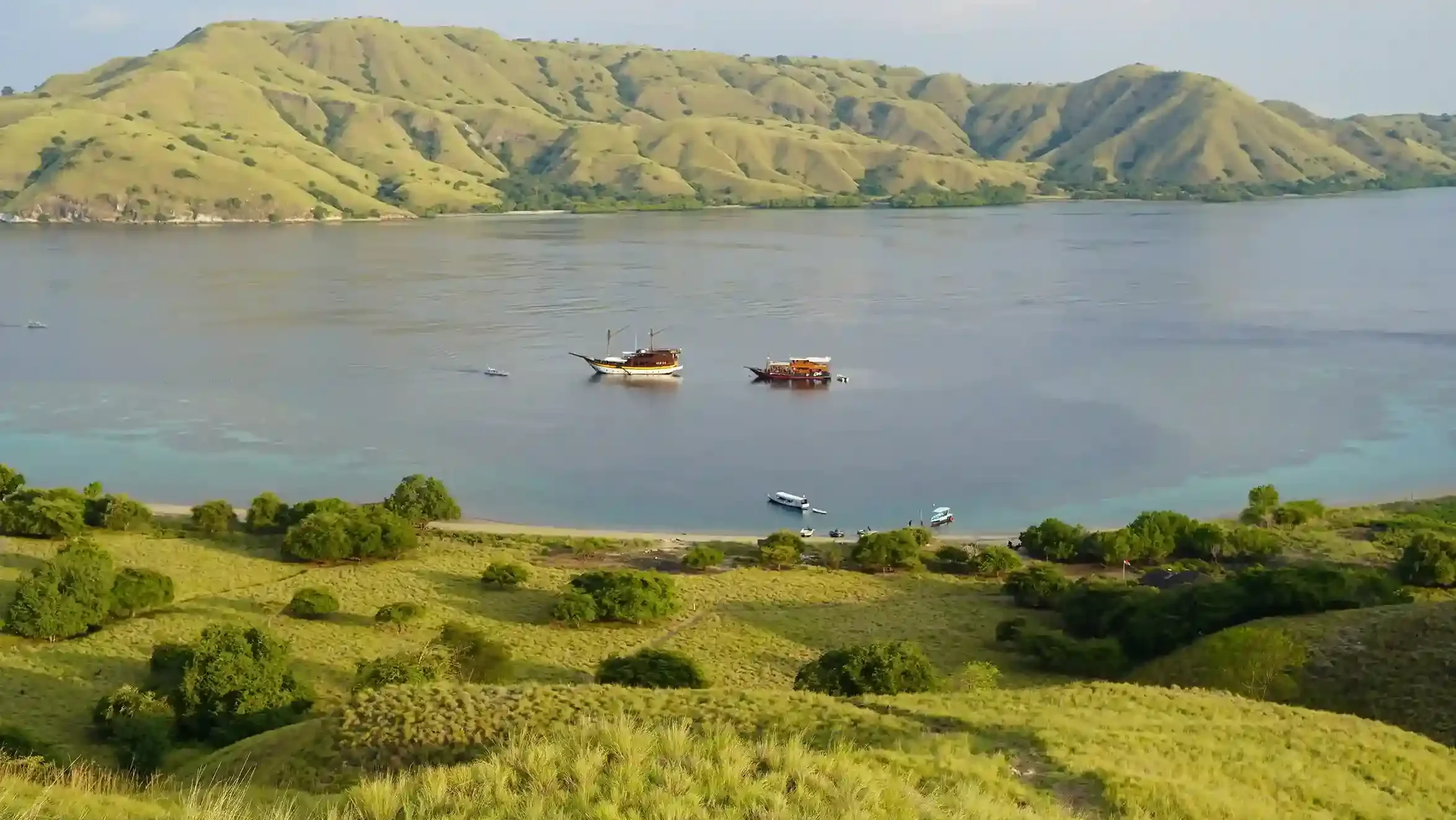
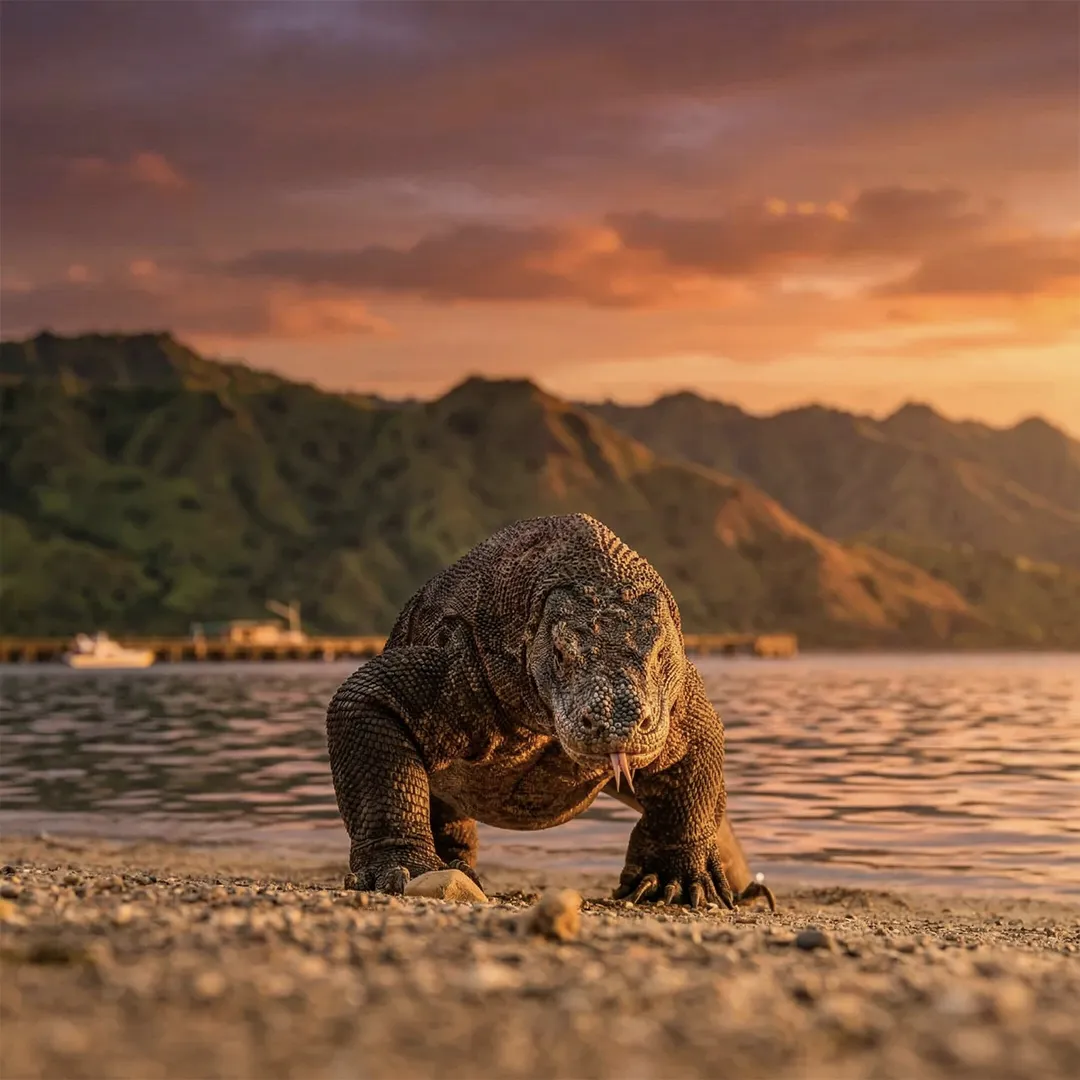
The allure of Komodo National Park draws visitors to Flores, primarily for encounters with the Komodo dragon. This protected area, covering approximately 1,733 square kilometers of land and sea, extends across Komodo, Rinca, and Padar islands, among others. Private yacht charters from Labuan Bajo offer the most exclusive access to these remote territories. Vessels range from traditional phinisi schooners, meticulously restored and equipped with modern amenities, to sleek motor yachts, providing tailored itineraries. A typical three-day, two-night charter might include a morning trek on Rinca Island, where rangers guide visitors to observe Komodo dragons in their natural habitat. Later, the yacht sails to Padar Island, known for its distinctive three-colored beaches and a challenging 800-step ascent to a panoramic viewpoint offering vistas of pink, black, and white sands converging. The dry season, from June to September, presents optimal conditions for these excursions, with calm seas and clear skies. Snorkeling and diving opportunities abound, particularly around Manta Point, where oceanic manta rays gather, and the rich coral reefs of Kanawa Island, teeming with diverse marine life. The experience is one of intimate proximity to wild nature, balanced with the comfort and service of a dedicated crew.
Marine Exploration and Conservation in Komodo
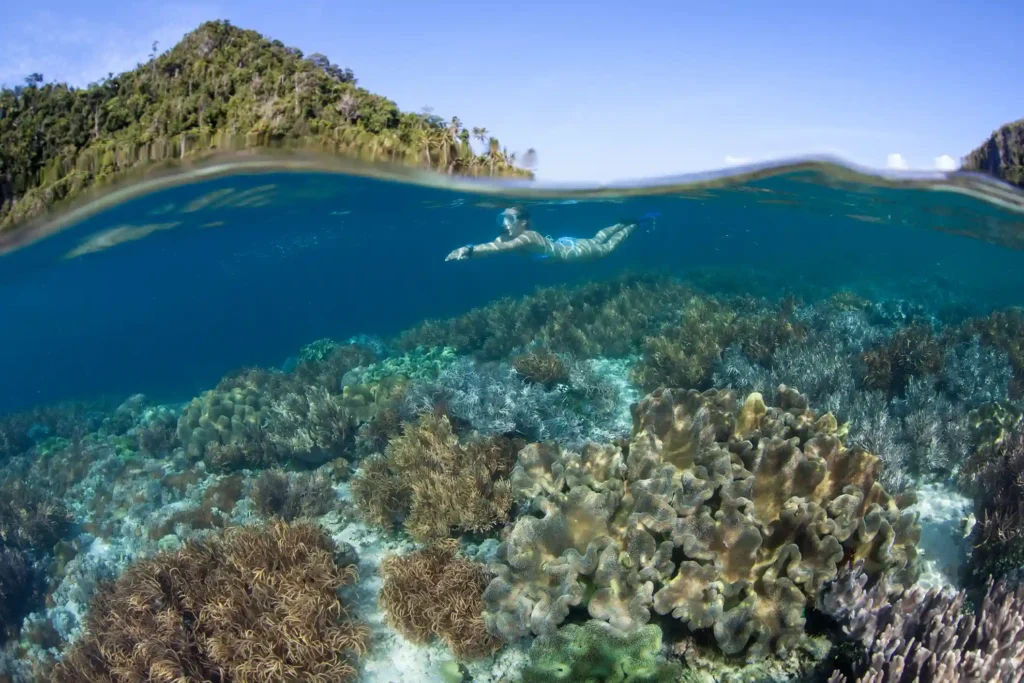
Beyond the iconic dragons, Komodo National Park is a global epicenter of marine biodiversity, a fact recognized by its UNESCO World Heritage status. The waters surrounding Komodo Island host over 1,000 species of fish, 260 species of reef-building coral, and 14 species of whales, dolphins, and dugongs. Pink Beach, near Komodo Island, stands as one of a small number of naturally pink sand beaches globally, its color derived from microscopic foraminifera within the coral fragments. Snorkeling here reveals vibrant ecosystems just meters from the shore. The conservation efforts within the park are stringent, aimed at protecting both terrestrial and marine species from human impact. Visitors contribute to these efforts through park fees and responsible tourism practices. Private charters often include expert dive masters or marine biologists who can provide context to the underwater world, enhancing the understanding of this critical ecosystem. Day trips from Labuan Bajo are possible, but multi-day charters offer a more comprehensive and unhurried exploration of the park’s expansive and diverse offerings.
Labuan Bajo: Gateway to Flores Luxury
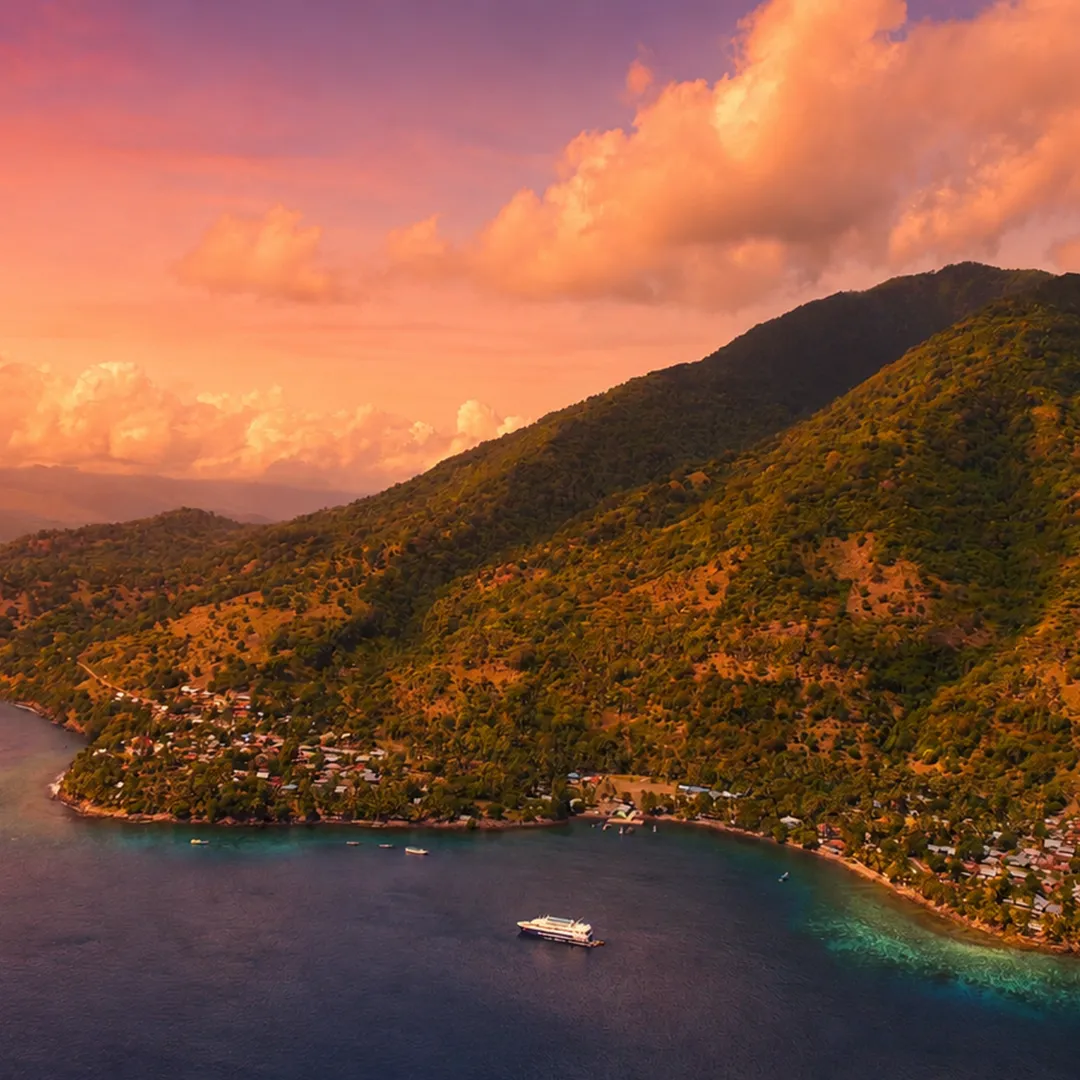
Labuan Bajo, located in East Nusa Tenggara province, serves as the primary tourism gateway to Flores and Komodo. Once a quiet fishing village, it has transformed into a busy hub for luxury travel, offering a range of high-end accommodations and services. Boutique resorts dot the hills surrounding the town, providing expansive views of the harbor and the Flores Sea. These properties often feature infinity pools, private villas, and refined dining experiences showcasing local ingredients. The town’s harbor is a focal point, with an increasing number of private yacht operators and dive centers catering to discerning clientele. Beyond the maritime activities, Labuan Bajo offers a taste of local culture. The local market, though modest, provides insight into daily life and offers fresh produce and local handicrafts. For those seeking relaxation before or after a Komodo expedition, the town provides a comfortable base. The infrastructure, while still developing, supports the demands of luxury tourism, with direct flights from Bali and Jakarta making access relatively straightforward. Learn more about Labuan Bajo on Wikipedia.
Boutique Stays and Culinary Arts in Labuan Bajo
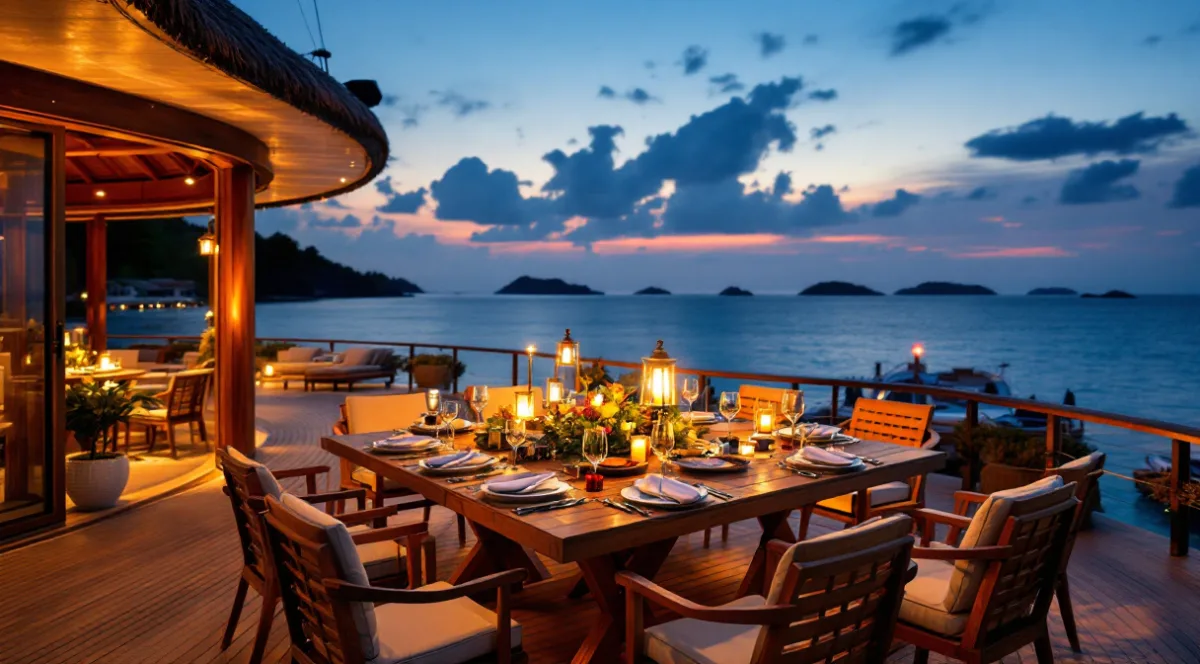
The accommodation landscape in Labuan Bajo has matured to include several properties that align with luxury standards. These establishments prioritize privacy, personalized service, and architectural integration with the natural surroundings. Many feature open-air dining pavilions, offering fresh seafood and Indonesian fusion cuisine. The emphasis is on farm-to-table or sea-to-table principles, ensuring high-quality, locally sourced ingredients. Private chefs are available for villa rentals or yacht charters, crafting bespoke menus. Beyond the resorts, a select few independent restaurants in Labuan Bajo are raising the bar for fine dining, blending international techniques with Flores’ indigenous flavors. These culinary experiences provide a sophisticated counterpoint to the rugged natural beauty of the island, offering a moment of refined indulgence. Transfers from Komodo Airport (LBJ) to these resorts are typically seamless, often arranged directly by the properties, utilizing private vehicles to ensure comfort and efficiency.
The Flores Overland Journey: From Labuan Bajo to Maumere
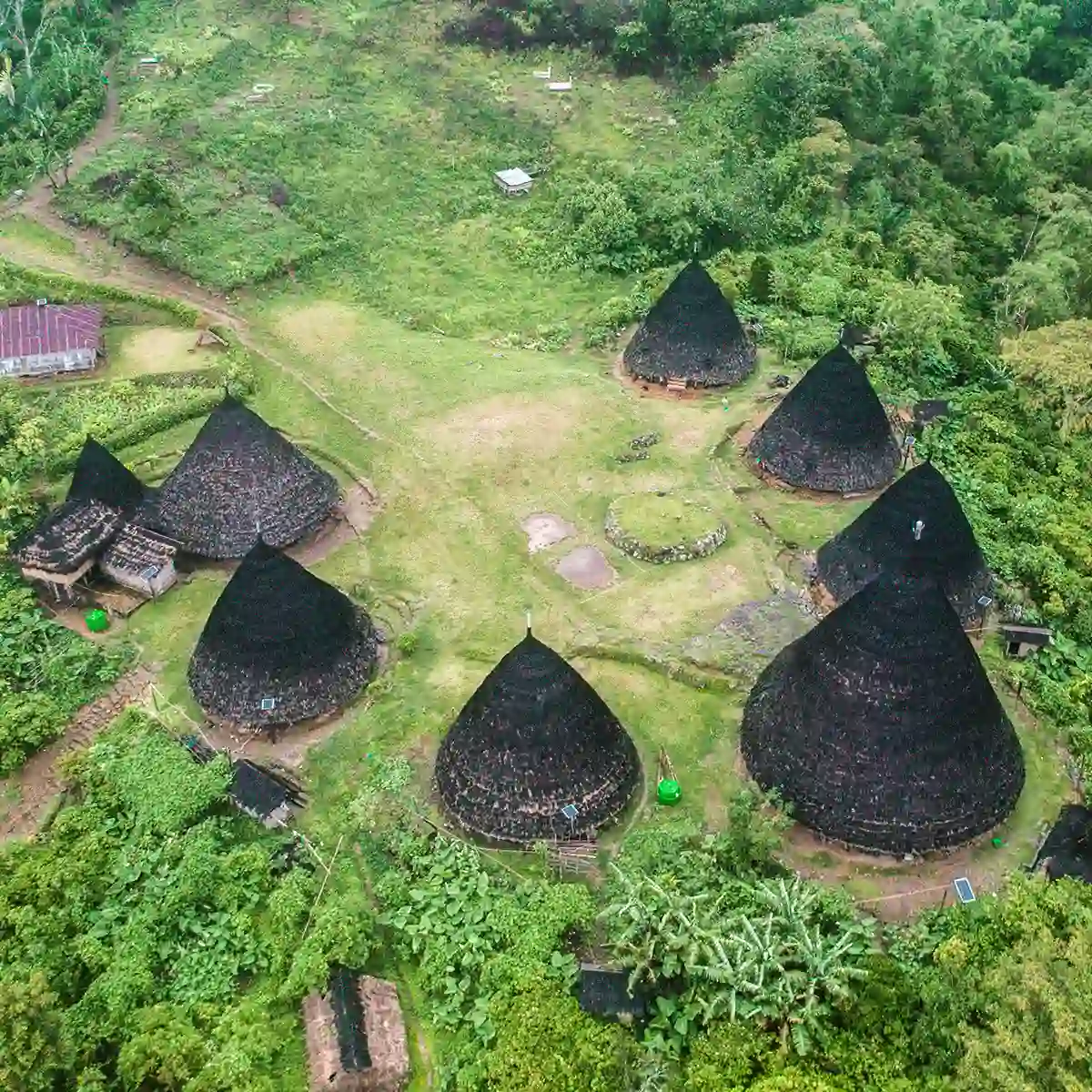
Flores Island stretches approximately 360 kilometers from east to west, presenting a compelling overland route for those seeking a deeper engagement with its diverse landscapes and cultures. This journey, typically spanning several days, connects the maritime adventures of Komodo with the volcanic wonders of Kelimutu and the traditional villages scattered across the island. The route traverses undulating terrain, passing through rice paddies, coffee plantations, and dense forests. Private drivers and expert local guides are essential for this expedition, providing not only navigation but also invaluable insights into the local customs and history. Stops often include traditional Manggarai villages like Wae Rebo, a UNESCO World Heritage Tentative Site, though access requires a significant trek. More accessible are villages near Ruteng, such as Todo, where ancient Mbaru Niang (traditional cone-shaped houses) offer a glimpse into ancestral ways of life. The journey eastward reveals changing topographies and distinct cultural practices, from the Catholic-influenced west to the animist traditions of the central highlands and the diverse ethnic groups of the east.
Cultural Encounters and Volcanic Landscapes
The overland route is punctuated by opportunities for cultural immersion. Visitors can observe traditional weaving practices, particularly in villages around Bajawa and Maumere, where intricate ikat textiles are produced using time-honored techniques. The local markets along the route offer a vibrant display of regional produce, spices, and handicrafts. Geologically, Flores is defined by its volcanic activity. Mount Inerie, a perfect conical stratovolcano near Bajawa, dominates the skyline and offers a challenging but rewarding climb for serious trekkers. Hot springs, fed by geothermal activity, provide natural therapeutic experiences. The journey is not merely about reaching a destination but about the experiences encountered en route: the spontaneous interactions, the changing vistas, and the slow unfolding of Flores’ complex identity. The quality of roads varies, emphasizing the need for robust vehicles and experienced drivers to ensure a comfortable and safe passage.
Kelimutu: The Tri-Colored Crater Lakes
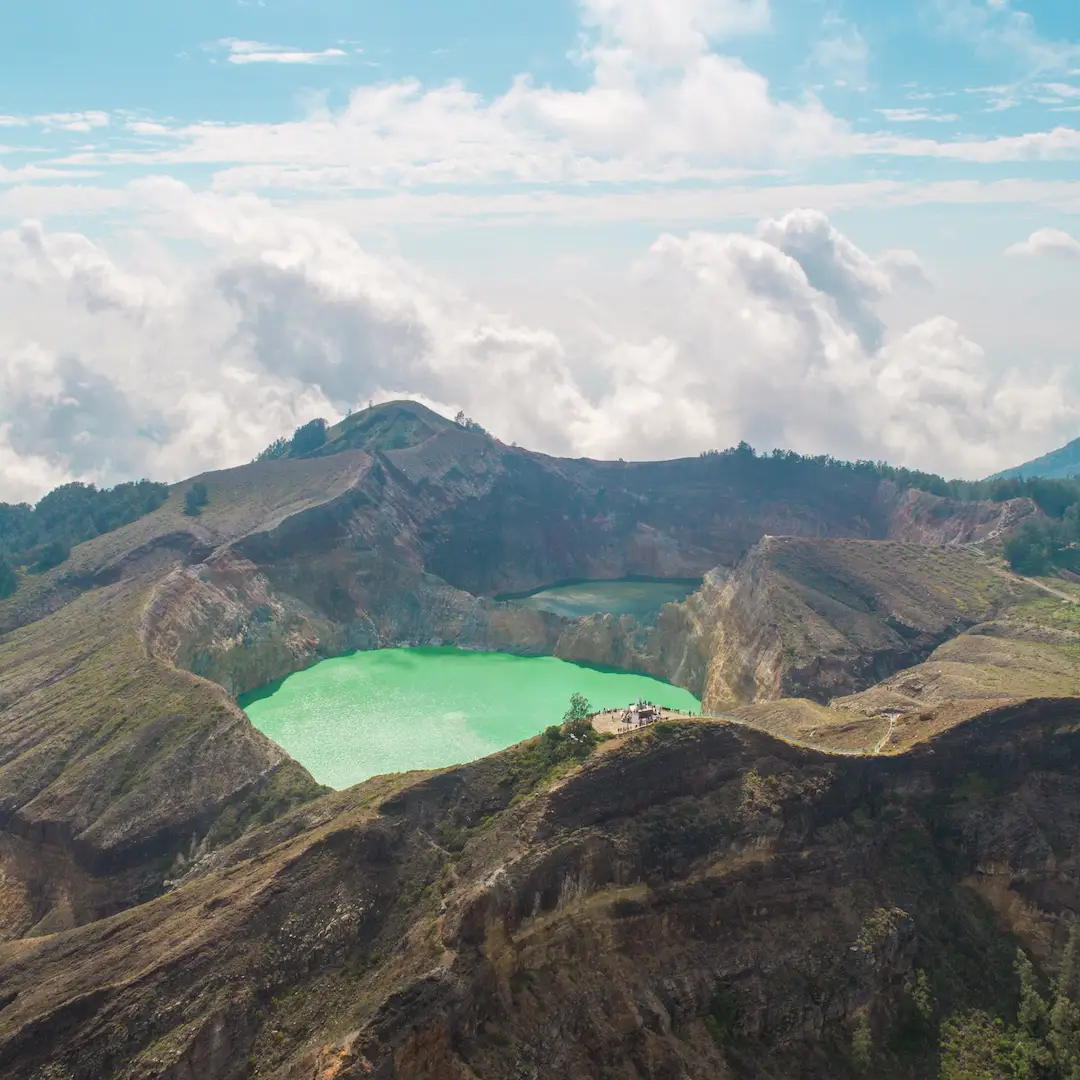
Kelimutu National Park, located in the central part of Flores, is renowned for its three crater lakes that periodically change color. This natural phenomenon, driven by the varying mineral composition of the water and volcanic gas activity, creates a surreal and captivating landscape. The lakes, named Tiwu Ata Bupu (Lake of Old People), Tiwu Ko’o Fai Nuwa Muri (Lake of Young Men and Maidens), and Tiwu Ata Polo (Enchanted Lake), often display hues of turquoise, green, red, or black, sometimes all at once. The best time to visit Kelimutu is at sunrise, when the mists often clear, revealing the lakes in their full glory, casting an ethereal glow over the volcanic caldera. The ascent to the viewpoint involves a short, paved walk from the parking area. The spiritual significance of Kelimutu to the local Lio people is profound; they believe the souls of the departed reside in these lakes, with the specific lake determined by the individual’s age and deeds. This blend of natural wonder and cultural belief makes Kelimutu a highlight of any Flores itinerary. Discover more about Kelimutu on Wikidata.
Geological Marvels and Spiritual Significance
The geological processes behind Kelimutu’s changing colors are complex, involving fumaroles beneath the lake surface that release gases, altering the oxidation state of the water and the concentration of various minerals. This dynamic system ensures that no two visits are exactly alike, as the colors can shift dramatically over months or even weeks. The park itself offers limited facilities, emphasizing the raw, natural aspect of the site. Guides often share the local legends and spiritual interpretations associated with each lake, deepening the understanding of the site beyond its visual spectacle. Accommodations near Kelimutu are typically modest, located in the nearby town of Moni, providing a base for early morning excursions to the lakes. The journey to Kelimutu often forms the easternmost point of the overland route for many luxury travellers, serving as a powerful concluding natural spectacle before flights from Maumere.
Crafting Your Flores Itinerary: Precision and Expertise
Planning a luxury trip to Flores requires meticulous attention to detail, given the island’s diverse offerings and sometimes challenging logistics. Whether focusing on a private Komodo charter, an overland expedition, or a combination of both, the approach must be tailored to individual preferences for comfort, adventure, and cultural engagement. The best dry-season travel period for Flores luxury trips is typically from June to September each year, offering ideal weather conditions for both marine and terrestrial activities. This period avoids the heavy rains of the monsoon season, ensuring clearer waters for diving and snorkeling and more accessible roads for overland travel. Engaging with local experts who possess an intimate knowledge of Flores is paramount. They can advise on the finest private yachts, secure the most exclusive boutique accommodations, and arrange for experienced guides who offer profound insights into the island’s unique ecosystems and vibrant cultural heritage. From coordinating private airport transfers at Labuan Bajo to curating bespoke culinary experiences on board a phinisi, every element is designed to ensure a seamless and enriching journey across this Indonesian frontier. Explore Flores Island on Wikipedia and Komodo National Park on Wikipedia.
Flores Luxury provides the definitive independent editorial guide for sophisticated travel across Flores, offering unparalleled insight into private Komodo charters, boutique resorts, and the overland route to Kelimutu. For detailed itineraries and expert recommendations, visit floresluxury.com.